
PCOS and Fertility: Why Early Diagnosis Matters
PCOS does not rule out pregnancy. Many women conceive naturally or with help, and an early diagnosis lets you check ovulation and plan before you try.
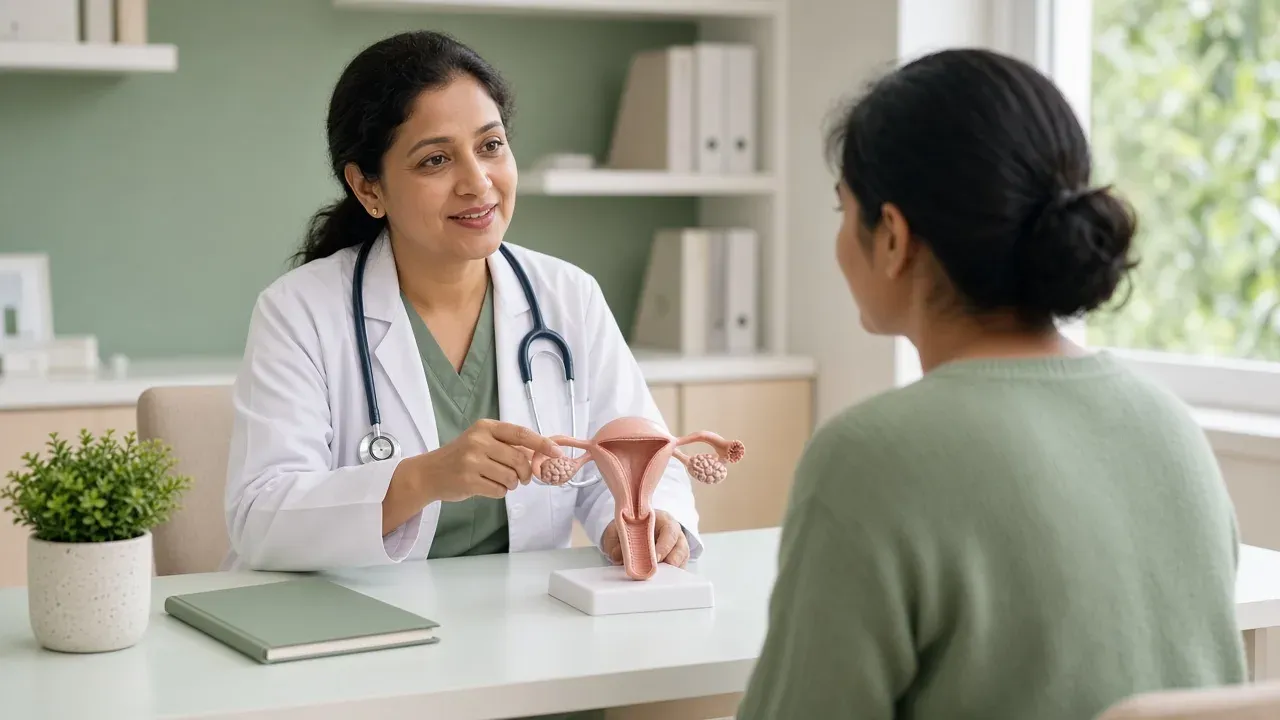
Polycystic ovary syndrome (PCOS) is a common hormonal condition that can affect periods, ovulation, metabolism, and fertility. Having PCOS does not mean you cannot get pregnant. Many women with PCOS conceive naturally, and others conceive with medical treatment.
An early diagnosis tells you whether you are ovulating, checks your blood sugar and cholesterol, and gives you time to plan before you start trying for a baby. PCOS affects an estimated 10 to 13% of women of reproductive age worldwide, and many of them have never been diagnosed.
What PCOS changes in the body
PCOS is a hormonal and metabolic condition. It affects hormone levels, menstrual cycles, and the way the body uses insulin.
Insulin resistance
Insulin helps the body use glucose for energy. Some women with PCOS have insulin resistance: their cells respond less well to insulin, so insulin levels rise. Higher insulin may add to the body’s production of androgens.
Insulin resistance can happen at any body size, including in women who are not overweight.
Higher androgens
Androgens are hormones every woman makes. Higher levels, or stronger androgen activity, may show up as extra facial or body hair, acne that persists, or thinning hair on the scalp.
Irregular ovulation
PCOS can interfere with how eggs develop and are released. Some women ovulate now and then, and some rarely ovulate at all. Either way, fertile days are harder to predict, and conceiving is harder.
How PCOS affects fertility and pregnancy
Conception needs an egg to be released, sperm to fertilise it, and the embryo to implant in the uterus. PCOS can affect this process, especially the first step.
With PCOS, periods may come irregularly or stop for several months. When ovulation is unpredictable, the fertile window is hard to find.
Women with PCOS can still get pregnant naturally. Some do, while others need help to ovulate or fertility treatment. What happens for you depends on your age, how often you ovulate, and other reproductive factors.
PCOS is also linked to a higher risk of some pregnancy complications, including gestational diabetes and high blood pressure in pregnancy. Research has found a link with pregnancy loss as well, though the risk differs from woman to woman.
Why early diagnosis matters
An early diagnosis cannot promise fertility later on, but it helps in four practical ways:
- A doctor can check whether irregular periods come from PCOS or from another condition.
- PCOS is linked to a higher risk of insulin resistance, type 2 diabetes, and abnormal cholesterol, so early checks let you keep track of them.
- Long gaps between periods may let the lining of the uterus thicken too much. A doctor can tell you whether that needs treatment.
- Knowing how your cycle behaves helps you make decisions about pregnancy and ask for support when you are ready to conceive.
You do not need to wait until you start trying for a baby to talk to a gynaecologist about symptoms that keep coming back.
How PCOS is diagnosed
In adults, PCOS is usually diagnosed when at least two of these three features are present, after other possible causes have been ruled out:
- Irregular cycles: periods that are infrequent, irregular, or absent, which can point to irregular ovulation.
- Signs of higher androgens: extra facial or body hair, persistent acne, or raised androgen levels in a blood test.
- Polycystic ovaries on ultrasound: a typical pattern of follicles on the ovaries.
An ultrasound alone does not confirm PCOS. In some adults, a blood test for anti-Müllerian hormone (AMH) can take the place of the ultrasound, but AMH is not a diagnosis on its own.
Teenagers need more care, because irregular periods and acne are common during puberty. Current international guidance does not recommend ultrasound or AMH to diagnose PCOS in adolescents.
Lean PCOS and Indian women
Symptoms and metabolic risks vary between populations. Some South Asian women face metabolic risks at a lower body mass index (BMI) than women in some other populations.
Lean PCOS is PCOS in women who are not overweight. They can still have irregular periods, extra hair growth, or metabolic concerns, so body weight alone cannot confirm or rule out PCOS.
Another possible sign of insulin resistance is acanthosis nigricans: darker, thicker patches of skin, often on the neck or in the underarms. These patches do not diagnose PCOS or insulin resistance by themselves, and a doctor should look at them.
Everyday care and medical treatment
Care depends on your symptoms, your metabolic health, and whether you want to get pregnant soon. No single plan works for everyone.
Balanced meals
A balanced diet supports overall and metabolic health. On an Indian plate that can be a katori of dal or chana, whole-wheat rotis, a sabzi, and curd, with fruit through the day. Build meals around whole grains and pulses, vegetables, fruit, and suitable protein sources, and cut back on added sugar and highly processed foods.
Regular activity
Walking, cycling, swimming, strength training, or any activity you enjoy supports metabolic health and general well-being. Adults should generally aim for at least 150 minutes of moderate-intensity aerobic activity a week, plus muscle-strengthening activity on two or more days.
Medicines and fertility care
Depending on your needs, a doctor may prescribe medicine for irregular periods, metabolic concerns, or excess hair and acne.
If ovulation is the problem and nothing else is affecting fertility, a gynaecologist or fertility specialist usually starts with tablets that help you ovulate. Some women are also offered a medicine that helps the body use insulin, though not every woman needs it. If the first treatment does not work, the next options include injectable fertility medicines or in-vitro fertilisation (IVF).
What about supplements?
Supplements are not medicines, and none of them replaces a medical assessment or the treatment a doctor prescribes. Some women with PCOS take myo-inositol, but the evidence for its benefits, including on fertility, is still limited or uncertain.
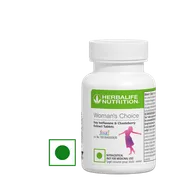
Woman’s Choice is a pack of 30 tablets, each with 60 mg of soy isoflavones and 127 mg of chasteberry (Vitex agnus-castus) extract, and it contains soy and wheat. It is not a treatment for PCOS or a fertility aid. Its pack says it is “not recommended for woman who are pregnant, lactating or have an Estrogen-sensitive condition”.
Talk to a gynaecologist before you start any supplement, especially if you are trying to conceive, are pregnant, or are already on treatment.
See them up close
Three questions
Do ovarian cysts mean I have PCOS?
No. Despite the name, PCOS does not need ovarian cysts for a diagnosis, and cysts alone do not diagnose it. A doctor looks at your cycles, signs of higher androgens, hormone levels, and other relevant findings.
When should I see a doctor?
See a gynaecologist if your periods stay irregular or stop, or if you have extra facial or body hair, persistent acne, or hair thinning you cannot explain. If you are trying to conceive and your ovulation is irregular or absent, ask about a fertility assessment early rather than waiting.
Can lifestyle changes cure PCOS?
There is no established cure for PCOS. Healthy eating, regular activity, and the right medical care help manage the symptoms and the health risks that come with it.
Start with a record of your cycle
For the next few months, note the date each period starts and any changes in your skin or hair, then take that record to a gynaecologist. For questions about everyday meals and nutrition formats, share Interest.