
What Does Protein Powder Actually Do?
Protein powder tops up protein when meals fall short. It does not build muscle or burn fat by itself, and many people get enough from dal, curd and paneer.
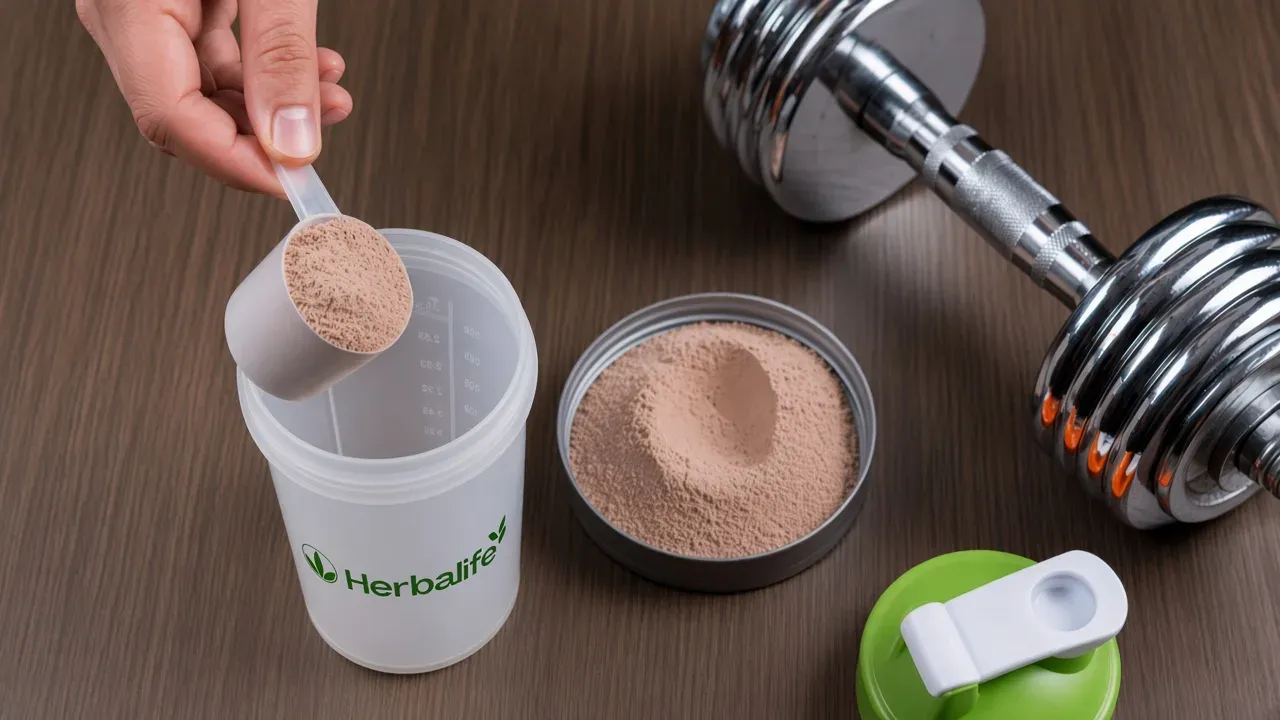
If breakfast is tea and poha and lunch is whatever the canteen has left, a tub of protein powder can look like the easy fix. It is concentrated protein that you stir into milk or water. Taken daily as the label directs, it adds that protein to your day. It will not build muscle without training, and it does not burn fat. Whether you need it at all depends on what is already on your plate.
What Is Protein Powder?
Protein powder is a dietary supplement made from concentrated animal or plant protein. Most people mix it with water or milk as a shake, and it also goes into smoothies and oats.
Common types include:
- Whey protein: a milk protein, often used around exercise for muscle growth and recovery.
- Casein protein: another milk protein. It digests more slowly than whey and may help you feel full for longer.
- Soy protein: a plant protein that contains all nine essential amino acids.
- Pea and hemp protein: plant options for people who avoid dairy.
Which one suits you depends on how you eat and why you want the extra protein.
5 Benefits of Protein Powder
1. Supports Muscle Growth and Repair
Protein supplies amino acids, which the body uses to repair and rebuild muscle tissue after exercise. With resistance training and enough food overall, getting sufficient protein supports muscle development and helps you keep the muscle you have.
A powder is a convenient way to add protein when meals fall short. Without the training and the rest of the diet, it will not build muscle by itself.
2. Helps Meet Daily Protein Needs
Your daily need depends on body weight, age and activity, and How much protein do you need a day? works the number out for a vegetarian day. Many people reach it with ordinary meals. A shake helps on the days when cooking one more protein-rich dish is not realistic, and it works alongside those meals.
3. May Help Manage Hunger
Protein helps you feel full after eating, so meals with enough of it can keep hunger down until the next one.
Protein powder does not burn body fat or guarantee weight loss. Weight depends on the whole day: how much you eat, how active you are, how well you sleep and how regular your meals are.
4. Supports Exercise Recovery
Eating enough protein across the day supports recovery after activity. A shake straight after a workout is handy when a proper meal is an hour away, but you do not have to drink it the minute you finish. The day’s total matters more than strict timing.
5. Offers Convenience
Powder is portable and takes a minute to mix, so it fits a packed day. It is most useful for people with long or irregular hours, or with few protein foods they can eat.
Is Protein Powder Safe for Everyone?
Not every powder suits every person. Some contain added sugar, fillers or allergens, so read the ingredient list and nutrition label before you choose one.
Whey and casein are milk proteins. If you have a milk allergy, avoid powders made from them, and read the label on any blend, because some mix milk and plant proteins.
Quality matters too. Some protein powders may contain heavy metals such as lead, cadmium, arsenic or mercury, and long-term exposure to certain heavy metals can harm health. Prefer products with clear labelling and independent third-party testing where it is available. Testing helps you judge quality, though it cannot rule out every risk. In India, check that the product carries an FSSAI licence and that any quality claim on the pack can be verified.
Speak with a qualified healthcare professional before you start a protein supplement if you have kidney disease or another medical condition that affects how much protein you need, are pregnant or breastfeeding, take regular medication, or are an older adult with particular nutritional needs.
How to Choose the Right Protein Powder
Check these before you choose one:
- Your goal: muscle development alongside training, recovery after exercise, or simply more protein on a light day.
- Dietary preferences: plant-based or dairy-based, depending on what you eat and what your body tolerates.
- Ingredients: compare protein per serving, calories, added sugar and additives you do not need.
- Quality: makers with transparent ingredient information and credible independent testing.
- Serving size: follow the label. A bigger scoop does not mean better results.
Do You Really Need Protein Powder?
Not necessarily. Milk, curd, paneer, dal, chana, rajma, soy chunks, tofu, eggs, fish, nuts and seeds all carry protein, and plenty of people get enough from a day of ordinary meals. Those foods also bring fibre, vitamins and minerals that a scoop of powder does not.
A powder is useful when there is a real gap: an early start with no time for breakfast, a skipped lunch on a long workday, a week of travel, or regular training that raises how much protein you need. Look at your meals first, and add a supplement only when it has a clear job.
If it does, these three formats do different jobs:
- Personalized Protein Powder is a neutral whey and soy powder to stir into a shake, smoothie, soup or sauce. Each serving provides 5 grams of protein. The 200 g tub is the compact size, and there is also a 400 g pack.
- ShakeMate is a neutral drink mix of skimmed milk powder and soy protein that you make at home, on its own or with a Formula 1 shake. Two scoops provide over 10 grams of protein, with vitamin D and calcium.
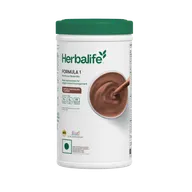
- Formula 1 Nutritional Shake Mix, Dutch Chocolate, 500 g is a meal-style shake for a busy morning or midday meal, made to replace one or two meals a day and not the whole diet. Soy and whey proteins sit with cocoa powder on its ingredient list.
All three list milk and soy as allergens, and Formula 1 also lists oats. The Formula 1 shake post explains how a meal shake is prepared and used. The Protein Nutrition page has these formats, other Formula 1 flavours and pack sizes together.
Protein supplements are not medicines. They add protein to the diet, and they do not treat or prevent disease.
See them up close
Final Thoughts
Start with the meals you already eat. If the same part of the day keeps coming up short, pick the format that fits that gap, read its label, and use it beside regular food. Compare the options on Protein Nutrition, or share Interest if you would like help choosing.