
Why Am I Always Tired? 7 Common Causes
Constant tiredness usually comes from poor sleep, stress, sitting all day, too little water, skipped meals or sugar. If it lasts weeks, see a doctor.

You slept seven hours, had your morning chai, and by four in the afternoon you can barely keep your eyes on the screen. Feeling this way most days usually comes down to sleep, stress, sitting, water, meals, or sugar, all things you can change this week, and now and then to a nutrient that has run low. If it has lasted several weeks and nothing below explains it, see a doctor.
1. Your Sleep Quality Is Poor
Hours in bed are not the same as restful sleep. Late scrolling, a bedtime that slides two hours at the weekend, an evening chai or coffee, and worries taken to bed can all break up sleep.
What you can do:
- Aim for 7 to 9 hours, at the same bedtime and waking time every day, weekends included.
- Put the phone away before bed, and keep tea, coffee, cola, and caffeinated drink mixes to the first half of the day.
- Keep the bedroom dark, quiet, and cool.
If someone says you snore loudly or seem to stop breathing in your sleep, tell a doctor.
2. You’re Experiencing Too Much Stress
Deadlines, a long commute, and looking after children or parents use up energy by day and follow you to bed, which also means shorter sleep and skipped meals.
What you can do:
- Spend a few minutes on slow breathing or meditation in the morning or before bed.
- Take short breaks away from the screen, outside in daylight if you can.
- Keep time each week for something you enjoy outside work.
If stress or low mood stays with you most days for weeks, talk to a doctor or a counsellor.
3. You’re Not Getting Enough Physical Activity
A day at the desk followed by an evening on the sofa can leave you more tired than a day on your feet. Regular activity supports fitness and better sleep, and you do not need an intense workout to get there.
What you can do:
- Start with a 15 to 20 minute walk every day, perhaps after dinner.
- Get up once an hour at work: take the stairs, or walk while you are on a call.
- Add a little each week, or try yoga, cycling, or swimming.
4. You’re Not Drinking Enough Water
Even mild dehydration can contribute to tiredness, headaches, and trouble concentrating, and it is easy to miss in an air-conditioned office or on a hot day.
What you can do:
- Keep a bottle on your desk and refill it at set times, and drink before you feel thirsty, especially in summer and when you exercise.
- Count chaas, coconut water, and water-rich foods such as cucumber, watermelon, and oranges toward the day.
- Check the colour of your urine. Pale yellow usually means you are drinking enough.
5. You’re Not Eating a Balanced Diet
Skipping breakfast, a late lunch, and a heavy dinner leave long gaps. Tea and biscuits, white bread, and namkeen fill you up without much protein or fibre.
What you can do:
- Eat at regular times, with a protein food in each meal: dal, chana, rajma, paneer, curd, milk, eggs, or nuts. How much protein you need a day adds up a full vegetarian day.
- Pick whole grains such as atta roti, brown rice, ragi, or jowar, and add vegetables and fruit.
- Make breakfast something that lasts until lunch: besan or moong dal chilla, poha with peanuts, or curd with fruit.
6. You’re Consuming Too Much Sugar
The 4 pm chai with two spoons of sugar and biscuits adds up, and so do the desk cola and the mithai after dinner. Sweet drinks and packaged snacks give quick calories with little else, and they push out the foods that carry protein and fibre.
What you can do:
- Take one spoon of sugar out of your chai this week.
- Swap the biscuits for roasted chana, peanuts, or a whole fruit.
- Read labels on packaged foods and drinks. Sugar also appears as sucrose, glucose, and fructose.
7. You May Have Nutritional Deficiencies
Eating enough is not the same as getting every nutrient. Doctors often check iron, vitamin B12, and vitamin D when someone is tired, but tiredness alone does not tell you which, if any, is low. A blood test does. Gaps are more likely with little dairy and no eggs, days spent indoors, or a restricted diet.
What you can do:
- Eat a varied plate across the week: pulses, dairy, leafy greens, vegetables, fruit, and nuts.
- Add lemon, amla, or guava to the meal with your dal and greens, which helps the body take up more of their iron.
Where a Shake, Drink Mix or Tablet Fits
A product can cover a day when meals or water fall short. It does not make up for weeks of short sleep or skipped meals.
If breakfast keeps slipping, a meal-style shake means you leave the house with a meal inside you. Formula 1 Nutritional Shake Mix in Kulfi is mixed with skimmed milk to replace a meal. A 25 g serving, three scoops, gives 9 g of protein, 3 g of dietary fibre, and 19 vitamins and minerals, and the label says it replaces one or two meals a day, not every meal.
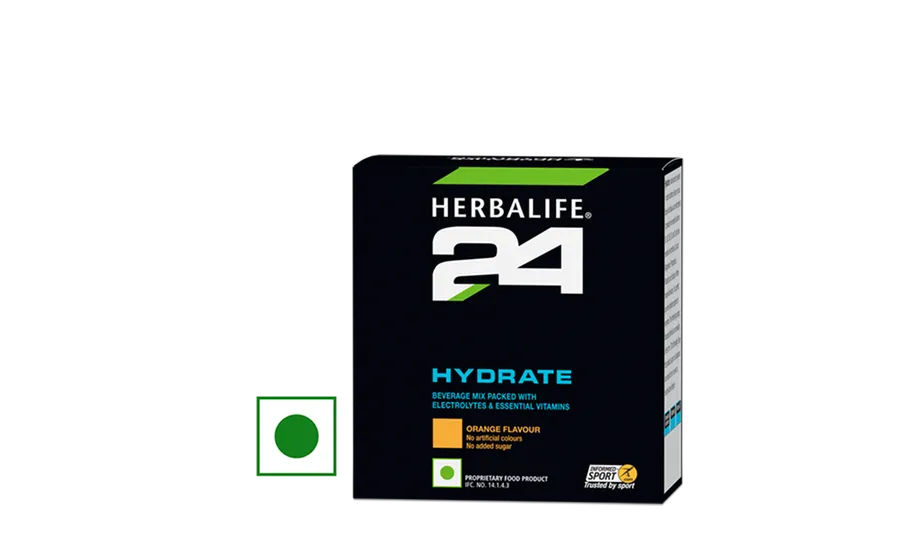
For fluids on a training day, Herbalife24 Hydrate is one 5 g orange sachet in 500 ml of water, with five vitamins and five electrolytes, including 185 mg of sodium. The label gives one sachet a day and does not recommend it for children.
If you drink caffeine anyway, count it and keep it to the first half of the day. Liftoff in Watermelon is an effervescent sachet with 80 mg of caffeine and B vitamins, one sachet in 240 ml of cold water, once a day. It is for adults, and not recommended during pregnancy, while breastfeeding, or for anyone sensitive to caffeine. The Afresh post covers the caffeine and flavours of Afresh tea drinks.
Supplements are not medicines, so start one only when a test or your doctor points to a specific gap. For a broad gap, Formula 2 Multivitamin Mineral & Herbal Tablets Plus is one tablet three times a day with meals, with 22 vitamins and minerals on the label; it contains soy and wheat. Do you need a multivitamin every day? walks through that check. If you are pregnant, breastfeeding, managing a medical condition, or taking regular medicine, ask your doctor first.
See them up close



When Should You Be Concerned About Constant Tiredness?
See a doctor if you have felt exhausted for several weeks without an obvious reason, or if the changes above have not helped. Persistent tiredness can be a sign of conditions such as anaemia, thyroid problems, diabetes, or a sleep disorder. Go sooner if it came on suddenly or arrives with changes you cannot explain, such as weight loss or breathlessness. Before the appointment, note how long it has lasted, how you sleep, and what you eat on a normal day.
Simple Daily Habits to Support Better Energy
Spread across one workday, the seven fixes look like this:
| When | Habit |
|---|---|
| On waking | A glass of water before chai, and a few minutes of daylight |
| Breakfast | Besan chilla with curd, or a shake if the morning is rushed |
| Lunch | Dal, roti, sabzi, and curd, a short walk, and the last tea or coffee of the day |
| 4 pm | Chaas or water with roasted chana instead of sweet chai and biscuits |
| Evening | A 15 to 20 minute walk or yoga, then a lighter dinner |
| Bedtime | Phone away, lights out at the same time as last night |
Pick the row furthest from your own day and change only that one this week.
If breakfast is that row, compare the Formula 1 flavours on the Protein Nutrition page, or share Interest to talk it through.