
How Much Protein Do You Need a Day?
About 0.83 g of protein per kg a day, near 50 g if you weigh 60 kg. A vegetarian workday that adds up, and when a shake is only a convenience.
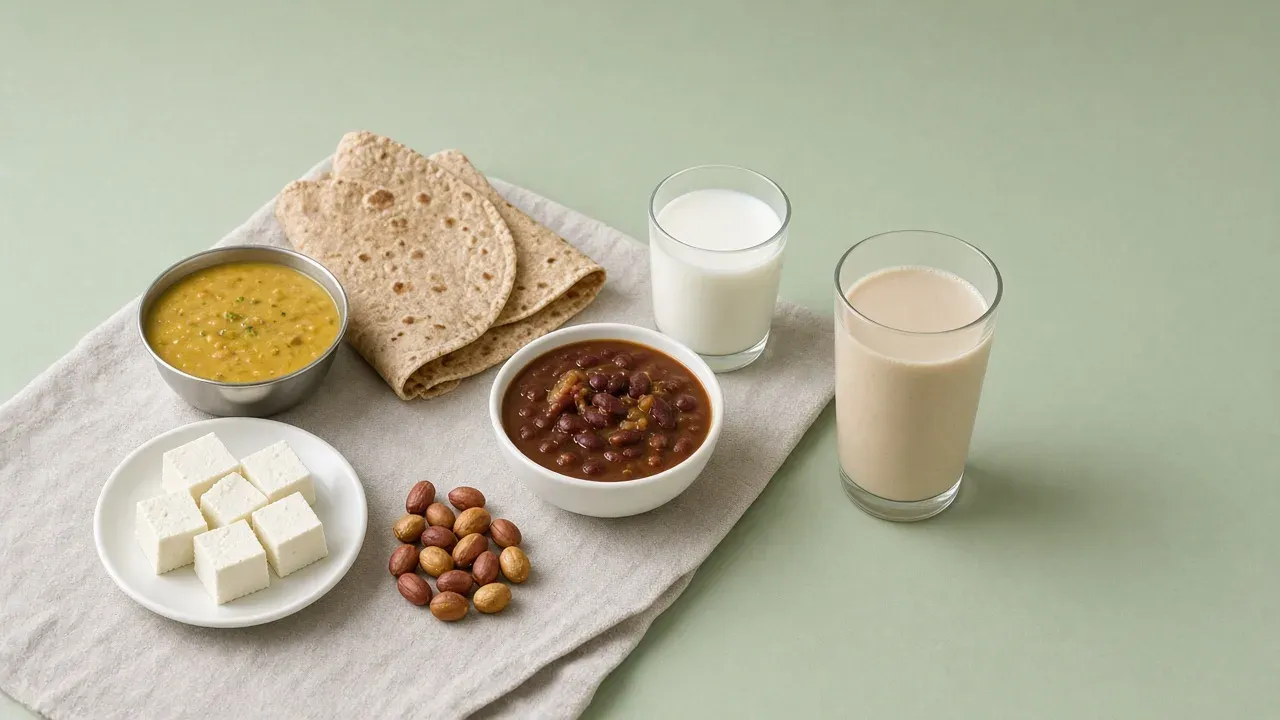
If you already eat dal, dairy, or soy and still wonder whether you are getting enough protein, you want a number that fits an Indian kitchen, and a clear answer on whether a shake belongs on a busy day.
Protein is a macronutrient made of amino acids. The body uses those amino acids to maintain and repair tissues.
A simple daily reference
For healthy Indian adults, a general daily reference is 0.83 grams of protein per kilogram of body weight. It is meant to cover most healthy adults. Your own number can differ.
For someone who weighs 60 kg:
60 × 0.83 = 49.8 grams, about 50 grams a day.
| Body weight | Protein (0.83 g/kg) |
|---|---|
| 50 kg | 42 g |
| 60 kg | 50 g |
| 70 kg | 58 g |
| 80 kg | 66 g |
If the day’s protein comes mostly from cereals, with little dal, milk, or soy, use about 1 g per kg. The meals below mix cereals with pulses, dairy, and nuts, so 0.83 g per kg is the figure used here.
People who train often, older adults, and anyone with particular nutritional needs may need more than 0.83 g per kg. If you have a medical condition, are pregnant or breastfeeding, or have specific dietary requirements, speak with a qualified healthcare professional or registered dietitian.
What that looks like in meals
Food can cover the 50 g reference for a 60 kg adult. The vegetarian workday below uses household portions. Pulse amounts are dry weight, the amount you measure before cooking. One katori of cooked dal is roughly 30 g dry.
| Meal | Food and portion | Protein |
|---|---|---|
| Breakfast | 250 ml cow’s milk | 8 g |
| Breakfast | 30 g dry bengal gram dal as a chilla | 6 g |
| Lunch | 40 g dry toor dal (one generous katori, cooked) | 9 g |
| Lunch | 50 g paneer | 9 g |
| Lunch | 2 rotis from 60 g atta | 6 g |
| Snack | 20 g groundnuts (a small handful) | 5 g |
| Dinner | 30 g dry rajma (one katori, cooked) | 6 g |
| Dinner | 2 rotis from 60 g atta | 6 g |
| Day total | 55 g |
That lands a little above the 50 g reference for 60 kg. For a lighter or heavier body, use the weight table above.
If you eat eggs, one boiled poultry egg (about 50 g) is about 7 g of protein and can stand in for the paneer at lunch. Fish or chicken can fill the same slot. Curd, tofu, sprouts, and roasted chana can take the same place at a meal.
When a shake is only a convenience
Keep meals as the base of the day. A protein shake is useful when you cannot sit down to eat, such as an early start, a late meeting, or travel. Dal and rotis still cover the meals you can sit down for.
A shake counts as a meal only when the product is made as one, and the rest of the day still includes ordinary food.
Three formats do different jobs:
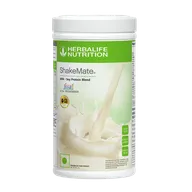
- Formula 1 Nutritional Shake Mix, Kulfi, 750 g is a tin for a busy lunch: a nutritious alternative for one or two meals, with other food making up the rest of the diet. The same shake comes in other flavours.
- Personalized Protein Powder is a neutral whey and soy powder. Each serving provides 5 grams of protein to stir into a shake, soup, or sauce. The 200 g tub is the compact size. There is also a 400 g pack.
- ShakeMate is a drink you mix at home. Two scoops provide over 10 grams of protein. It can go in with Formula 1, or be mixed on its own.
The Protein Nutrition page lists those flavours and pack sizes together.
Nutritional supplements and medicines are different things. Medicines are used to prevent, diagnose, treat, or manage medical conditions. Protein products add protein to an overall diet. They are not treatments for disease. If you take medication or have a medical condition, check with your healthcare professional before changing your diet or adding a supplement.
See them up close
Protein across a normal week
Desk days
Sitting still does not remove the need for protein. At the main meals, include a pulse, dairy, soy, an egg, or meat.
Busy workdays
Skipped lunch is the usual gap. Keep one portion from the table ready: milk, paneer, a katori of dal, or a small handful of groundnuts. You still have a protein source when the day fills up.
Training days
Regular exercise raises demand compared with a desk week. Protein helps with muscle maintenance and recovery as part of food, sleep, and the training itself.
Later in life
Maintaining muscle becomes more important with age. Older adults should confirm their own requirements with a healthcare professional, especially where a medical condition already exists.
Three questions
When is the best time to eat protein?
There is no single best hour. The day’s total matters, and so does whether the meals are balanced. Eating inside a set window around a workout does not change that total.
Can a protein shake replace a meal?
Only if that product is made as a meal option. Formula 1, linked above, is the meal-style tin, for one or two meals. A drink that only adds protein does not stand in for the rest of the day’s food.
Are protein supplements medicines?
No. They add protein to the diet. They do not treat disease.
Keep a protein source in the day’s meals
On days you can sit down, use dal, dairy, soy, eggs, or the plate in the table above. When you cannot, compare formats on Protein Nutrition. If you want help choosing a format, share Interest.
Individual nutritional needs vary. For personalised dietary or health advice, consult a qualified healthcare professional or registered dietitian.