
What Belongs on a Heart-Conscious Plate?
Keep added salt under 5 g a day, about one teaspoon for the whole day. What that looks like with dal and roti, and when a sachet or softgel has a job.
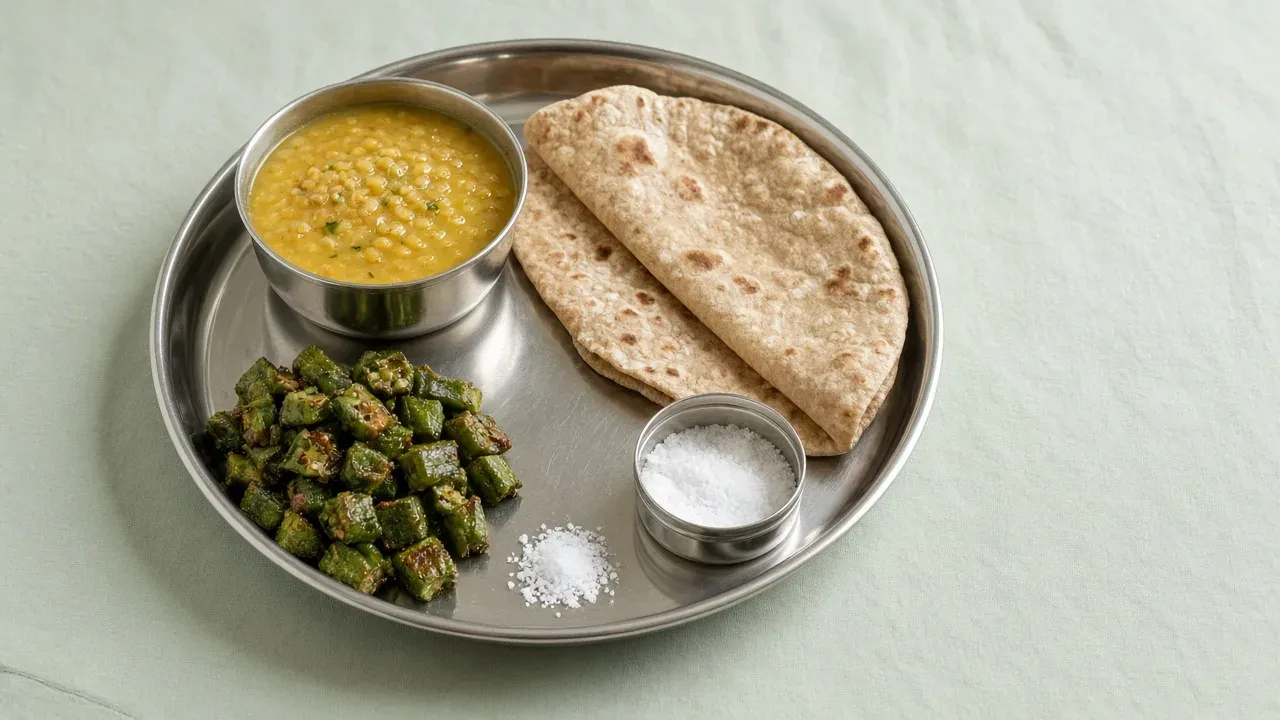
If you already cook dal, roti, and sabzi, and someone has told you to watch the salt, you want a number you can use while the tadka is in the pan.
Added salt stays under 5 grams a day. That is about one level teaspoon for the whole day, and 2 grams of sodium. The dal at lunch and the sabzi at dinner share that teaspoon.
A simple daily reference
For healthy Indian adults, a general daily reference is to keep added salt under 5 grams a day. Salt over 5 grams a day, or 2 grams of sodium, is more than the reference.
Common salt is about 40 percent sodium.
5 × 0.4 = 2
Five grams of salt is 2 grams of sodium. In the kitchen, 5 grams is about one level teaspoon, and that teaspoon belongs to the whole day.
Use iodised salt, and still keep the total under 5 grams.
Heavy sweating, from heat or from hard work, raises sodium losses. If that is your day, or you have a medical condition, are pregnant or breastfeeding, take medication, are an older adult, or already have a salt limit, follow the limit you were given. Check with a qualified healthcare professional or registered dietitian before you change how you salt your food.
Where that teaspoon goes
The salt you can measure is the salt in the pot. What you add after cooking counts in the same 5 grams. That includes a pinch on the plate, a papad with lunch, pickle beside the roti, and namkeen from a packet in the evening. Those foods are salty because salt was added when they were made, even though you never tipped it into the tadka.
Unsalted dal, roti, and vegetables already contain some sodium. Leaving out the papad, the pickle, or the packet is how you keep the day inside the teaspoon.
The oil in the same tadka
Visible fat is the oil, ghee, or butter you pour while cooking. It has its own daily amount.
| Who | Visible fat in a day |
|---|---|
| Desk day, woman | 20 g, about 4 teaspoons |
| Desk day, man | 30 g, about 6 teaspoons |
| A 2,000 kcal day | 27 to 30 g |
A teaspoon of oil in this count is about 5 grams. Four teaspoons are 20 grams. Six teaspoons are 30 grams. A 2,000 kcal day sits at 27 to 30 grams, close to the desk-day figure for a man.
On a moderately active day the same reference rises to 30 grams for a woman and 40 grams for a man. Heavy work rises to 40 grams for a woman and 50 grams for a man. The table is for a day spent mostly sitting.
Nuts, seeds, dal, and roti already contain some fat. The table counts the oil or ghee you pour. A deep-fried snack uses a large share of that oil in one sitting.
When a sachet or a softgel has a job
Dal, roti, vegetables, and the day’s teaspoon of salt are the meal. A sachet or a capsule adds one measured ingredient on top of that plate.
Three formats do different jobs:
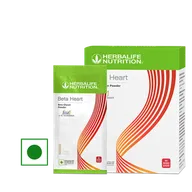
- Beta Heart, Vanilla, 15 sachets is oat beta-glucan, a soluble fibre, in a vanilla powder. One sachet provides 3 grams. Mix it into water, a shake, or fruit juice. It contains milk and oats. Soluble and insoluble fibre, compared shows the soluble fibre already in atta and dal.
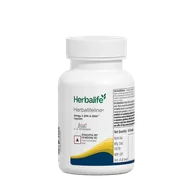
- Herbalifeline, 60 capsules is a fish-oil softgel. The oil includes the omega-3 fatty acids EPA and DHA. Thyme oil and peppermint oil are there for the aftertaste. Gelatin is on the ingredient list. The label states no milligrams of EPA or DHA.
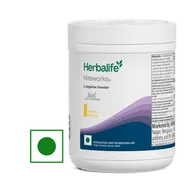
- Niteworks, Lemon, 300 g is a lemon powder you mix and drink, in the day or at night. It contains L-arginine, vitamin C, vitamin E, and folic acid, plus sugar and sucralose. The label states no grams of L-arginine per serving.
The Heart & Bone Health page sets these three next to calcium tablets and joint tablets. Calcium is covered in What changes in your nutrition after 50?.
Nutritional supplements and medicines are different things. Medicines are used to prevent, diagnose, treat, or manage medical conditions. These products add oat beta-glucan, fish oil, or a lemon powder with L-arginine to the diet. They are not treatments for disease. If you take medication or have a medical condition, check with your healthcare professional before changing your diet or adding a supplement.
See them up close
Three questions
Does sendha or kala namak change the 5 grams?
No. Pink salt and black salt carry much the same sodium as common salt. The ceiling stays 5 grams, about one teaspoon.
Is the softgel vegetarian?
No. Herbalifeline lists gelatin with the fish oil. Beta Heart and Niteworks do not list gelatin. Beta Heart contains milk and oats.
Does the 3 gram sachet replace the day’s dal and vegetables?
No. Those 3 grams are oat beta-glucan in one sachet. Dal, roti, and vegetables are still the meal. The fibre note linked above measures the fibre those foods already contain.
Measure tomorrow’s salt once
Let the dal and the sabzi share one teaspoon for the whole day, and count the papad and the packet inside it. Compare the sachet, the softgel, and the lemon powder on Heart & Bone Health. If you want help choosing a format, share Interest.